
Asia's Changing Cricket Map: Concentrated Revenue, Widening Competition
एशियाई क्रिकेट आज वाणिज्यिक विस्तार और प्रतिस्पर्धी असंतुलन के दोहरे दबाव में है। वैश्विक क्रिकेट राजस्व का सबसे बड़ा हिस्सा भारतीय बाज़ार और आईपीएल से आता है, जिससे आईसीसी के राजस्व-बँटवारे में भारत का हिस्सा अन्य सदस्यों की तुलना में बहुत अधिक रहा है। प्रतिस्पर्धी संरचना तीन स्तरों में बँटी है — भारत शीर्ष पर, पाकिस्तान-श्रीलंका-बांग्लादेश मध्य में, और अफ़ग़ानिस्तान व नेपाल तेज़ी से उभरते हुए। मुख्य चुनौतियाँ हैं: तीनों फ़ॉर्मेट और फ़्रेंचाइज़ी लीगों का संयुक्त कार्यभार, भारत-पाक द्विपक्षीय गतिरोध से जुड़ी अनिश्चितता, और फ़्रेंचाइज़ी अनुबंध-राशि को अंतरराष्ट्रीय क्षमता का मापदंड मान लेने की प्रवृत्ति। ध्यान देने योग्य बात यह है कि क्रिकेट के आँकड़े फ़ॉर्मेट-विशिष्ट होते हैं और टेस्ट, वनडे व टी20 के आँकड़े आपस में तुलनीय नहीं हैं।
Over the past decade, the centre of gravity in international cricket has clearly shifted towards Asia. This shift is visible not only in the trophy market but also in money, broadcast rights, audiences and the way players build their careers. Asian cricket is telling two stories at once — unprecedented commercial expansion on one side, and growing anxiety over competitive balance and governance on the other. Any assessment of the continental game that ignores this contradiction will remain incomplete.
A unipolar revenue structure
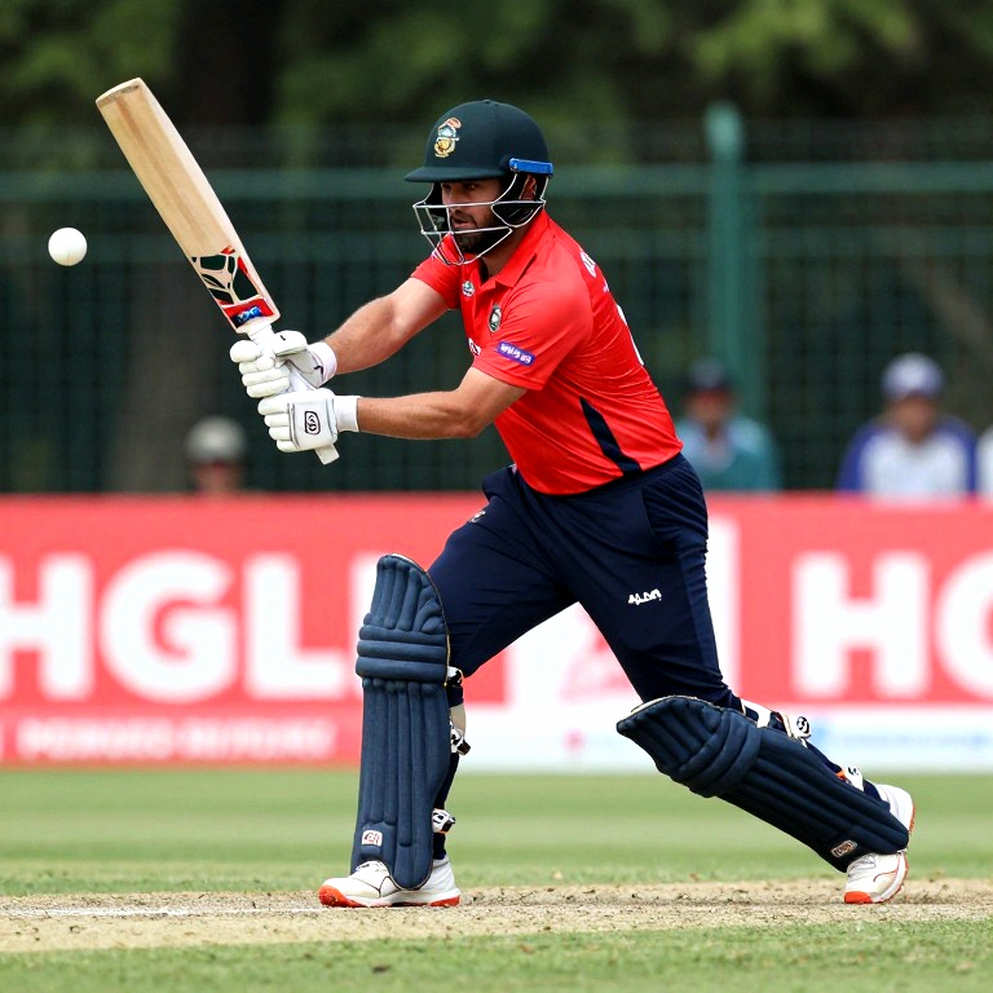
The largest share of the global cricket economy today comes from the Indian market. The IPL's broadcast package is widely regarded as the biggest in any cricket league worldwide, and the Indian board's bargaining power flows directly from this concentration. As a result, India's share in the ICC's revenue-distribution model is far larger than that of other members — an arrangement that boards such as Sri Lanka, Bangladesh and Pakistan have periodically viewed with discomfort.
This imbalance is not merely a question of ledgers. It determines how much is invested in domestic structures, which countries can sustain a franchise league, and which boards can afford to keep their best players contracted year-round. Boards without that capacity often have to allow their top players to depart for foreign leagues — and that is exactly where questions over national-team availability begin.
The competitive ladder: three tiers
Treating Asian cricket as a single unit is a mistake. It is structured in three tiers. India sits at the top, with resources, bench strength and the depth of domestic competition. Names like Rohit Sharma and Virat Kohli represent the peak of that system, but the real strength lies in the fact that options do not run out even behind them.
The second tier comprises Pakistan, Sri Lanka and Bangladesh — overflowing with talent but wrestling with structural instability. Players such as Babar Azam and Shaheen Afridi are world-class, and the achievements of Wanindu Hasaranga and Shakib Al Hasan are well known, yet these teams' problem is not individual talent but consistency. Volatility in selection policy, frequent changes of coaching staff and weak domestic structures remain the biggest obstacles for these boards.
The third tier is the most interesting. Under Rashid Khan, Afghanistan has moved beyond being an 'emerging team' to becoming a genuine competitor, especially in ODIs and T20s. Nepal, powered by a player like Sandeep Lamichhane, won over audiences and carved out space in the expanding T20 market. Countries such as the UAE and Oman are now significant as hosts and organisers as much as participants.
Calendar, injury and the format burden
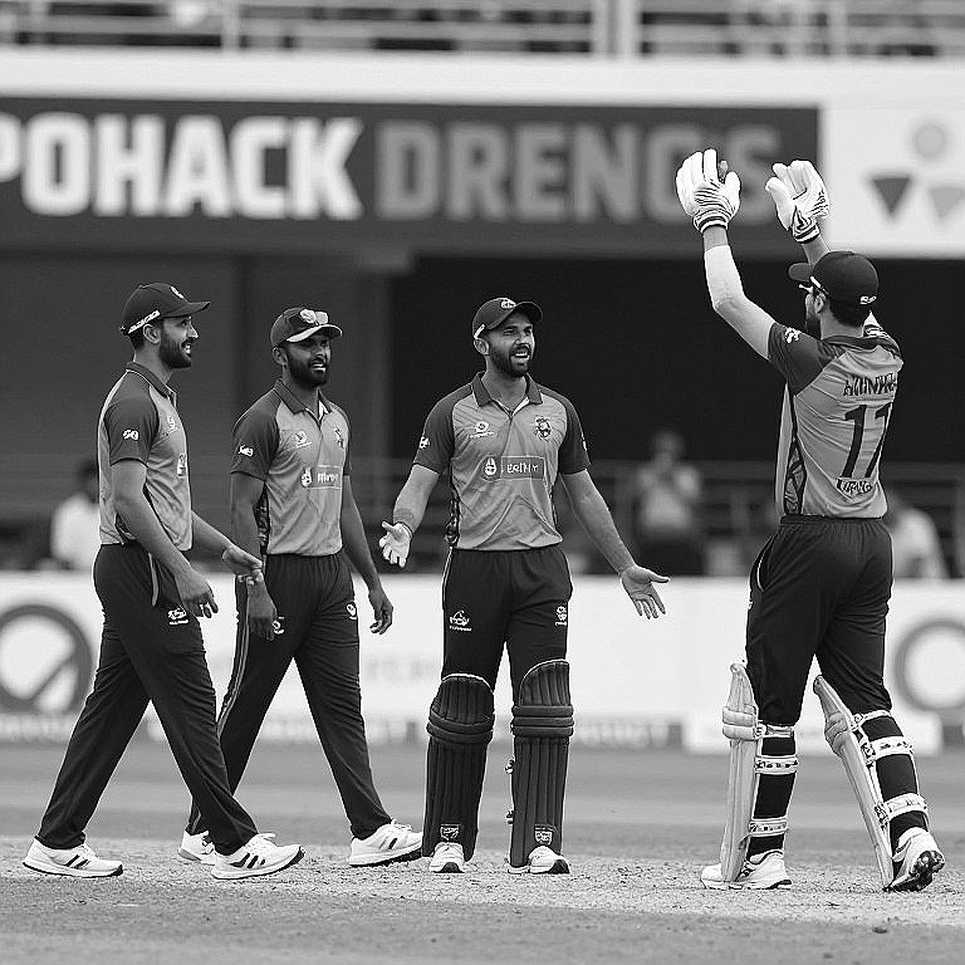
Asian cricket's sharpest problem is not technical but calendrical. The three formats — Test, ODI and T20 — carry different technical and physical demands, and their statistics are not comparable with one another. Yet players must move between all three through the year, on top of franchise leagues. Fast bowlers bear the biggest impact, and workload management has now become a political selection decision.
This has another dimension: a player's form must be assessed separately by format. A batter with a high T20 strike rate may prove technically fragile in Test cricket, and a spinner's economy rate in the short format does not reveal his true ability in the longer game. Applying a single set of numbers across formats is the most common analytical error.
Governance and geopolitics
The most sensitive fault line in Asian cricket is the India-Pakistan bilateral relationship. Because of political tension, the two teams have for years met only in multi-nation tournaments or at neutral venues, which is why the model for events such as the Asia Cup keeps changing. This uncertainty has a direct effect on ticket sales, broadcast value and sponsors' projections.
On the other hand, anti-corruption monitoring and government interference remain persistent issues. Betting and fixing signals create more concern in lower-revenue leagues, where player incomes are limited. This is precisely why the pressure from the ICC's Anti-Corruption Unit is most intense on lower-tier leagues.
Franchise capital versus the national team
Capital from IPL owners has now spread beyond Asia, and it is most visible in the Gulf leagues. One basic point must be remembered here: a large franchise paycheque is not proof of a player's international ability. It reflects market demand and traffic value, which is not a proxy for on-field performance.
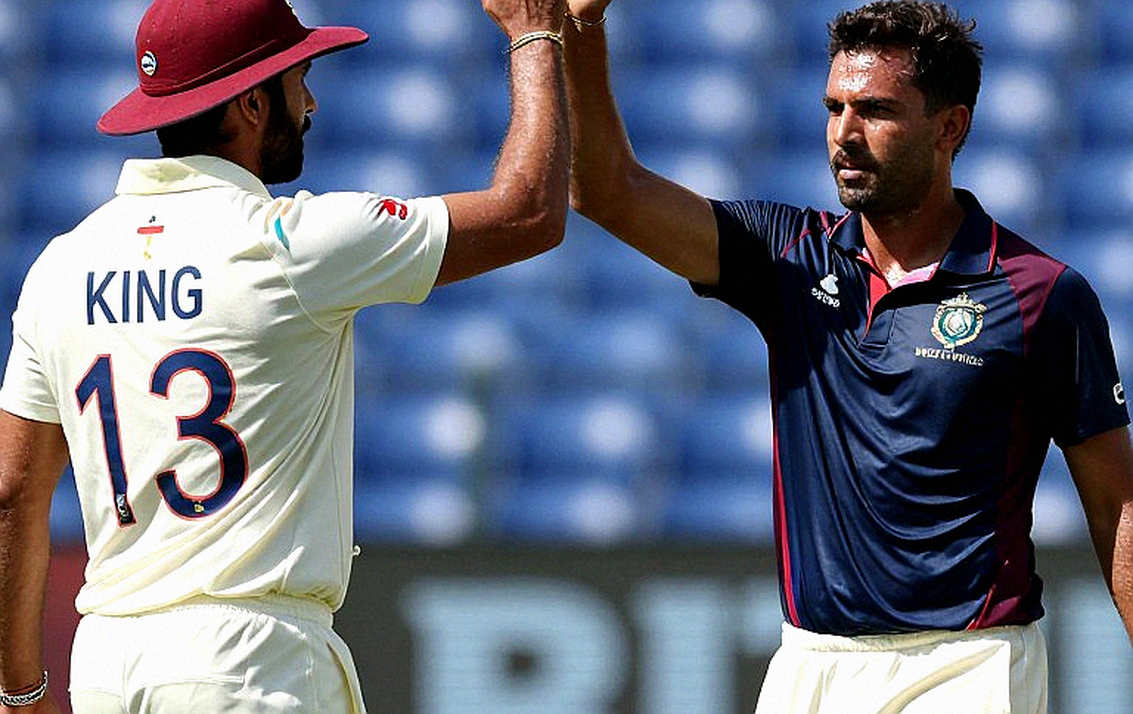
As for subcontinental pitches, spin will remain dominant, but hybrid surfaces and greater use of fast bowlers are making strategy more complex. Exploiting home conditions is legitimate, but assessing international performance under those same conditions can be misleading.
What to watch next
Asian cricket's next phase will be decided by three questions. First, can the ICC arrive at a more balanced revenue-sharing model? Second, will the trend towards more bilateral series push the India-Pakistan stalemate towards a new arrangement? Third, can teams like Afghanistan and Nepal establish themselves in the longer formats too, or will they remain confined to T20?
For now, Asian cricket's strength lies in its money, and its weakness in the unequal distribution of that same money. Until that gap narrows, the competitive depth of the continental game will look greater than it actually is.