
Franchise Cricket vs the International Calendar: A Conflict Still Without a Solution
फ्रैंचाइज़ी क्रिकेट और अंतरराष्ट्रीय कैलेंडर के बीच टकराव इसलिए बढ़ता है क्योंकि एक वर्ष में उपलब्ध दिन सीमित हैं, और हर फ्रैंचाइज़ी लीग का विस्तार सीधे उन्हीं दिनों पर दावा करता है जिन पर द्विपक्षीय सीरीज़, टेस्ट मैच और घरेलू टूर्नामेंट निर्भर करते हैं। नियंत्रण का मुख्य केंद्र बोर्ड का एनओसी और केंद्रीय अनुबंध है: बोर्ड तय करता है कि कोई खिलाड़ी विदेशी लीग में खेल सकेगा या नहीं। जब लीग का भुगतान केंद्रीय अनुबंध से कई गुना हो जाता है, तो खिलाड़ी का झुकाव आर्थिक हित की ओर होता है और बोर्ड का नियंत्रण कमज़ोर पड़ता है। सबसे अधिक दबाव तेज़ गेंदबाज़ों और तीनों प्रारूपों में खेलने वाले खिलाड़ियों पर पड़ता है, जबकि टेस्ट क्रिकेट आर्थिक रूप से हाशिये पर है। समाधान की दिशा में तीन चीज़ें महत्वपूर्ण हैं — गैर-टकराती स्थायी लीग खिड़कियाँ, पारदर्शी एनओसी नियम, और संस्थागत वर्कलोड प्रबंधन। यह लेख किसी विशिष्ट मैच या परिणाम पर आधारित नहीं है, बल्कि एक संरचनात्मक विश्लेषण है।
The biggest structural problem in cricket today is not on the pitch. It is in the calendar. Over the past decade, both the number and the duration of franchise leagues have expanded rapidly. The Indian Premier League has long been the heaviest single block in the global cricket calendar, and competitions such as South Africa's SA20, the UAE's ILT20 and Major League Cricket in the United States are now staking their own claims around the same window. The consequence is straightforward: national teams are left with a shrinking space in which to schedule bilateral series and ICC events.
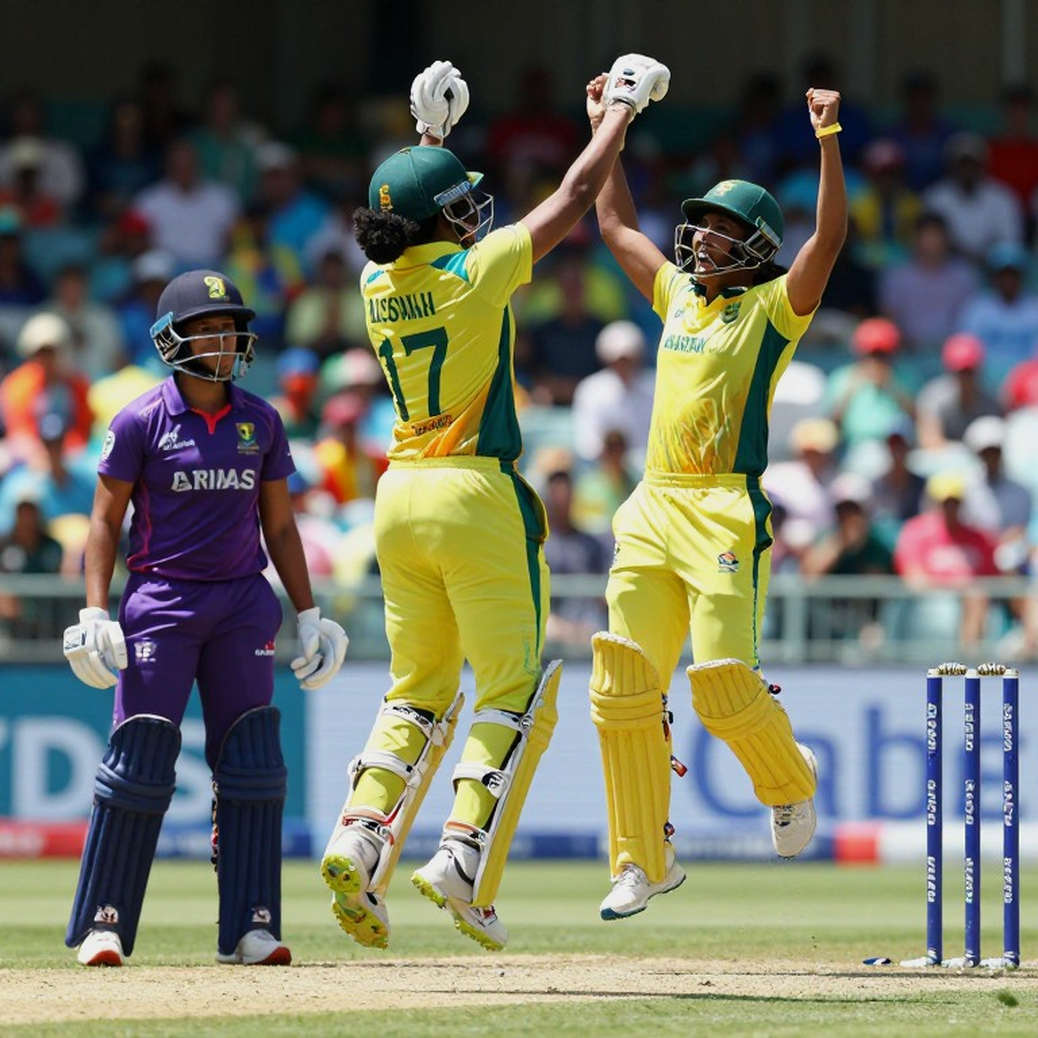
This is no longer a purely administrative debate. It directly affects a player's body, the length of his career and the source of his income. When all three compete for the same finite resource, conflict becomes inevitable.
The arithmetic of the calendar
Cricket is unusual in that three entirely different formats run in parallel — Test, one-day and T20. Each carries a different physical demand, a different preparation cycle and a different commercial value. A calendar that tries to balance all three will, by definition, fully satisfy none of them.
The harshest part of this arithmetic is that the number of available days in a year is fixed. Every expansion of a franchise league takes days directly away from bilateral series, training camps or domestic tournaments. When a league adds teams, it adds matches — and that growth is always paid for by something else.
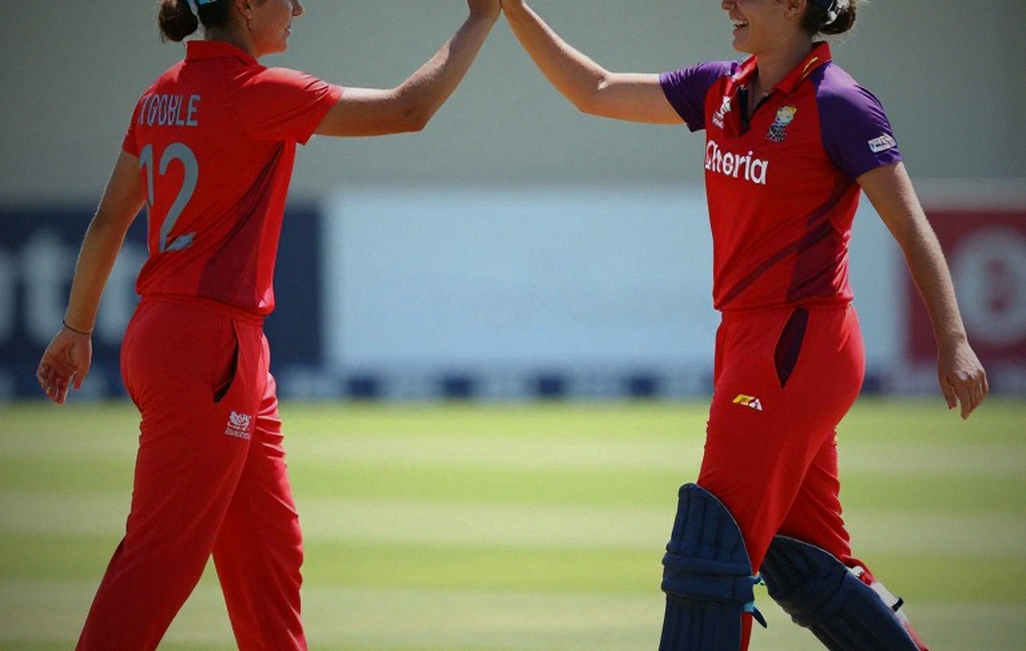
The second layer is travel. International cricket moves teams across continents, time zones and climates. Franchise leagues theoretically reduce this burden because an entire tournament is played in one country within one window. That is a genuine advantage and should not be dismissed. But the advantage only holds if leagues do not collide with one another. When several leagues stretch into the same seasonal window, the player is forced to choose — and that choice is usually made on the basis of payment, not form or preparation.
NOCs and central contracts: the real centre of control
In cricket, a player is not the contracted employee of a single club, as in football. He belongs primarily to his national board, and to play in a foreign league he must obtain a No Objection Certificate — an NOC. This technical document is the pivot of the entire power balance.
The board sets the terms of the NOC. It can decide which leagues a player may join, for how long, and under what circumstances he will be blocked. In principle the system exists to protect the player — from injury and fatigue caused by excessive play. In practice it also becomes a bargaining instrument for the board.
The central contract is the other half of the equation. It gives the player annual security, but in return it secures the board's claim on his availability. When a league's payment is several times the value of a central contract, that equation begins to hollow out. The player's reasoning becomes simple: in a limited career, where does maximum income come from? And the sharper that question becomes, the weaker the board's control.
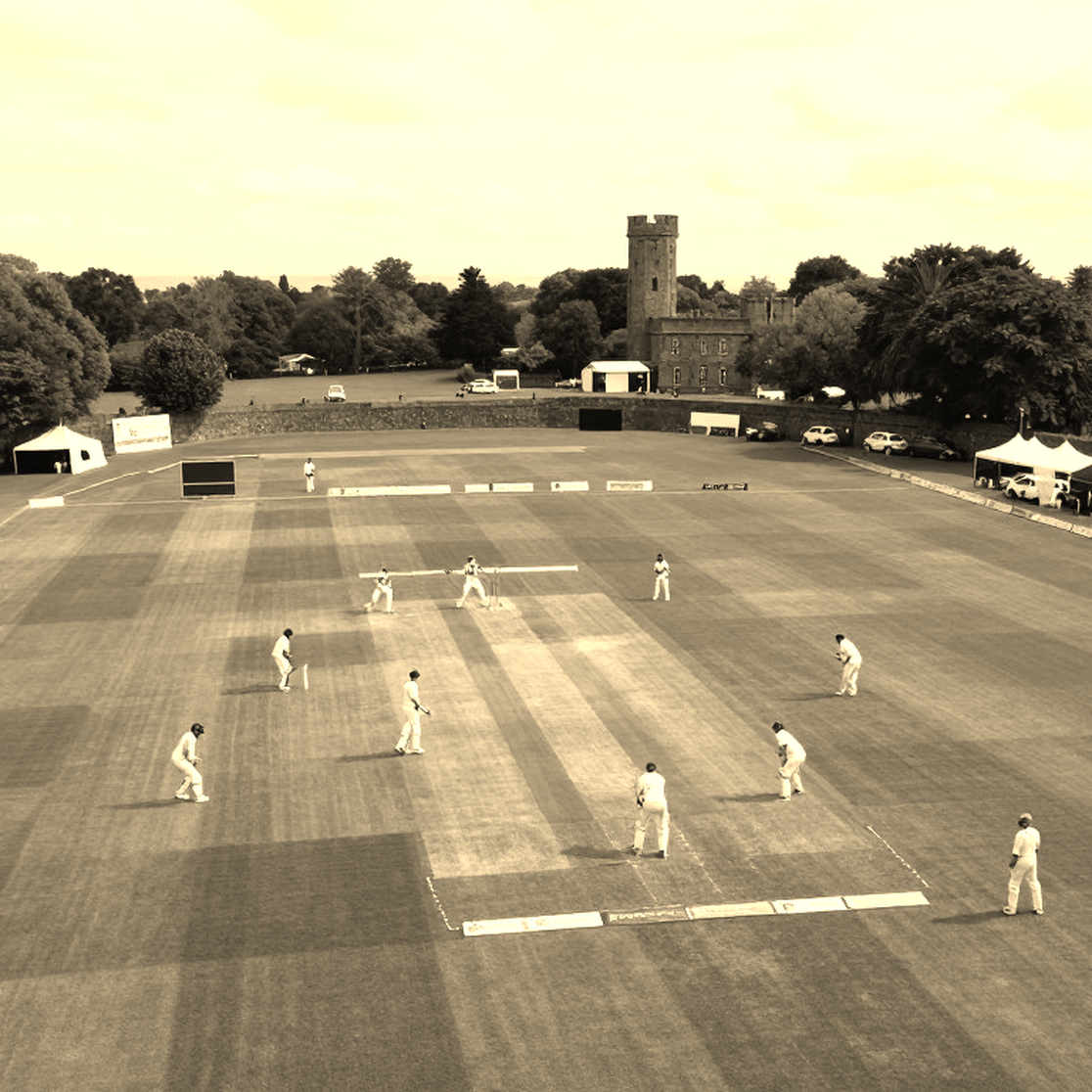
This tension produces what is called the league-versus-country conflict. It is not a moral argument. It is a collision of two legitimate interests — the player's economic interest on one side, the primacy of the national team on the other. Neither side is wrong in itself, and that is precisely what makes the dispute so difficult.
Workload: the variable everyone acknowledges, nobody solves
Fast bowlers carry the heaviest load. The repeated spells of a five-day Test, the pressure of two new balls in a one-day international, and the over-specialisation of death bowling in T20 are three different physical demands. Cramming all three into a single year without planning is an open invitation to injury.
The problem is that there is no single global standard for workload management. Every board rotates players its own way, every league builds its own schedule, and every player makes his own decision. Without coordination between the three, "management" remains a phrase on paper.
The sharpest impact falls on players selected across all three formats. They are the most valuable members of a team, and for exactly that reason they are the most heavily consumed. This is the paradox: the structure of the game wears down its best players fastest.
The place of Test cricket
If there is one weakest flank in this whole debate, it is Test cricket. The reason is economic, not sentimental. A Test match runs five days, and the broadcast revenue it generates is often lower than a few hours of a league. Once the metric becomes revenue per hour, the Test format slides naturally to the margins.
The World Test Championship has given the format a structure and a target, which has preserved its relevance. But even within the championship not every series carries equal weight, and for smaller boards, playing enough Tests against the major sides remains difficult. Bilateral scheduling is decided mainly by revenue projections rather than by competitive balance.
There is another side that is often missed. Test cricket is the format in which technique is tested most deeply — the long innings, the long spell, patience across changing conditions. If the calendar leaves no room for it, the loss is not merely of one format but of the technical development of the game itself.
Broadcast rights and economic asymmetry
A franchise league's entire model rests on broadcast rights. The value of these rights depends less on the performance of a central team and more on the league's branding, its connection to cities and its entertainment value. This is what separates it from traditional cricket: the product is not only the sport but the event.
The success of this model has created a new asymmetry in world cricket. Leagues in countries with large domestic markets can pay more and therefore pull in players from around the world. Boards without such a league see their players leave for others' competitions, and their own domestic cricket empties out in the meantime.
The ICC's revenue distribution model has faced persistent questioning over this asymmetry. The argument of the large markets is that they generate the most revenue. The argument of the smaller boards is that this stalls the global growth of the game and makes competition one-sided. Both arguments are valid in their own terms, which is what pushes the debate to a stalemate.
Form across formats: a caution
The link between a brilliant league performance and the same success at international level is not as direct as media coverage suggests. In a T20 league, a batter is given a fixed role, a fixed position in the order and the licence to play freely within a limited number of overs. At international level the role changes, the conditions change, and the quality of the opposing attack changes too.
None of this means league performance is irrelevant. It means that any statistic must be interpreted with clarity about which format it belongs to, which role it was produced in and under what conditions. Blending formats into a single average or strike rate is not analysis but confusion. Impressions built on small samples are more dangerous still, because a handful of innings can temporarily make any player look extraordinary.
Directions for a solution
There is no one-line fix, but several concrete directions exist.
First, clear and permanent windows should be fixed for leagues, so that they do not collide. If all major leagues play at different points in the year, the compulsion on players to choose is reduced and space is preserved for national teams.
Second, the NOC process should be made transparent. Under the current system the decision rests entirely with the board, which breeds a trust deficit between player and board. Clear, pre-announced rules applied uniformly to all can reduce this tension.
Third, workload management should move from individual judgement to an institutional system. That is possible only if boards, leagues and player representatives share the same data — overs bowled, innings played, days spent travelling.
Fourth, revenue distribution needs reconsideration. If smaller boards do not receive enough funding to sustain Test cricket, they cannot keep the format alive however strong their will.
The road ahead
Cricket's history shows that the game has changed repeatedly under market pressure — from the Packer era to the birth of T20. Every change produced resistance first and then a new equilibrium. Today's conflict is part of the same process.
But there is a difference. Past changes were largely at the level of format and broadcast. This one touches directly on the player's body and the length of his career. If the calendar is decided purely on revenue, that revenue itself will fall in the long run — because no competition can maintain its standard without healthy players.
The real question is not whether franchise cricket is good or bad. The real question is how three formats, the domestic structure and professional leagues can be held within a single calendar without entirely extinguishing any one of them. No board has the answer yet, and until one is found, the conflict will continue — in every contract cycle, in every NOC dispute, and on every morning when a fast bowler is ruled out with injury.